Category

Uncategorized

Home / Uncategorized
Uncategorized

A race to the bottom for milk price transparency

By Ben Bennett, President, Australian Dairy Farmers

As you wake up early, don your boots and get to the dairy on this second day of the new financial year, you may be left asking yourself “what price have I really signed up for this year?”.

Tuesday was the deadline for all Australian dairy farmers to have locked in a supply agreement for the 2026-27 season. It’s a big decision.

Contracts are signed, volumes committed, and the next 12 months of production are already taking shape. But while the deadline may have passed, it is worth reflecting on the process farmers have just had to work through, and the level of uncertainty with which they completed that task this year.

For many farmers, this year’s contracting period highlighted a persistent, if not increasing challenge: a lack of clear, comparable and transparent pricing.

Milk supply agreements represent one of the most significant commercial decisions any dairy farmer has to make. Dairy is one of the few sectors where producers forward contract a full year’s production.

At a time when input costs remain high for feed, fertiliser, fuel and labour, those decisions carry even greater weight. And yet, many farmers have had to weigh up competing offers this year without a straightforward understanding of what they are actually being paid.

That is not due to a lack of effort or diligence on the part of farmers. Across the country, producers have done exactly what you would expect of any prudent business operator – they’ve sought advice, crunched the numbers, and compared offers where possible.

The challenge lies in the structure of the offers themselves.

This season, we saw milk pricing offers of all shapes and sizes. We saw average prices and price ranges, various incentives, bonuses and conditions that can shift depending on production patterns, quality specifications, location and seasonal factors. Not to mention penalty clauses that, when applied, could be akin to clawbacks.

These price structures can make it extremely difficult to identify a clear “base price” and compare one processor’s offer with another.

For many farmers, the key question is simple: “will this price cover my cost of production and allow my business to remain sustainable?”.

Too often now, that question is arguably harder to answer than it should be.

The Dairy Code of Conduct was introduced to improve exactly this issue – to deliver greater transparency, support informed decision-making and promote a competitive marketplace.

These are the right objectives, and there has been some progress since the code came into effect.

But the experience of this year’s contracting period suggests those objectives are being challenged.

Transparency is not just an abstract principle. It underpins confidence in the market and the ability of farmers to plan for the future.

To put it plainly, we are asking farmers to commit to contracts of a year or more, without always providing a simple, consistent way to understand the value of those contracts.

This is the issue Australian Dairy Farmers has been raising for some time, including through the Dairy Code review process. The aim has always been to ensure farmers can clearly see what they are being paid for their milk and how different offers stack up.

Looking ahead, there is an opportunity and a responsibility for both industry and regulators to reflect on the lessons from this year.

Processors play a central role. Clearer, simpler and more comparable pricing would not only support farmers at decision time, it would help build trust and strengthen relationships across the supply chain.

Regulators, including the Australian Competition and Consumer Commission (ACCC) also have a role to ensure that these pricing structures adhere to both the spirit and intent of the Code, are not ambiguous or misleading, and are being met in practice.

We must ask whether basic ACCC competition principles are being adhered to, and whether there is access to clear, accurate and comparable price information to make informed commercial market decisions.

For farmers, the focus now shifts to the season ahead. The decisions have been made, and attention turns to production, efficiency and managing the ongoing challenges facing the sector.

But as an industry, we should not simply move on once contracts are signed, we should strive for a more efficient, effective, and competitive market.

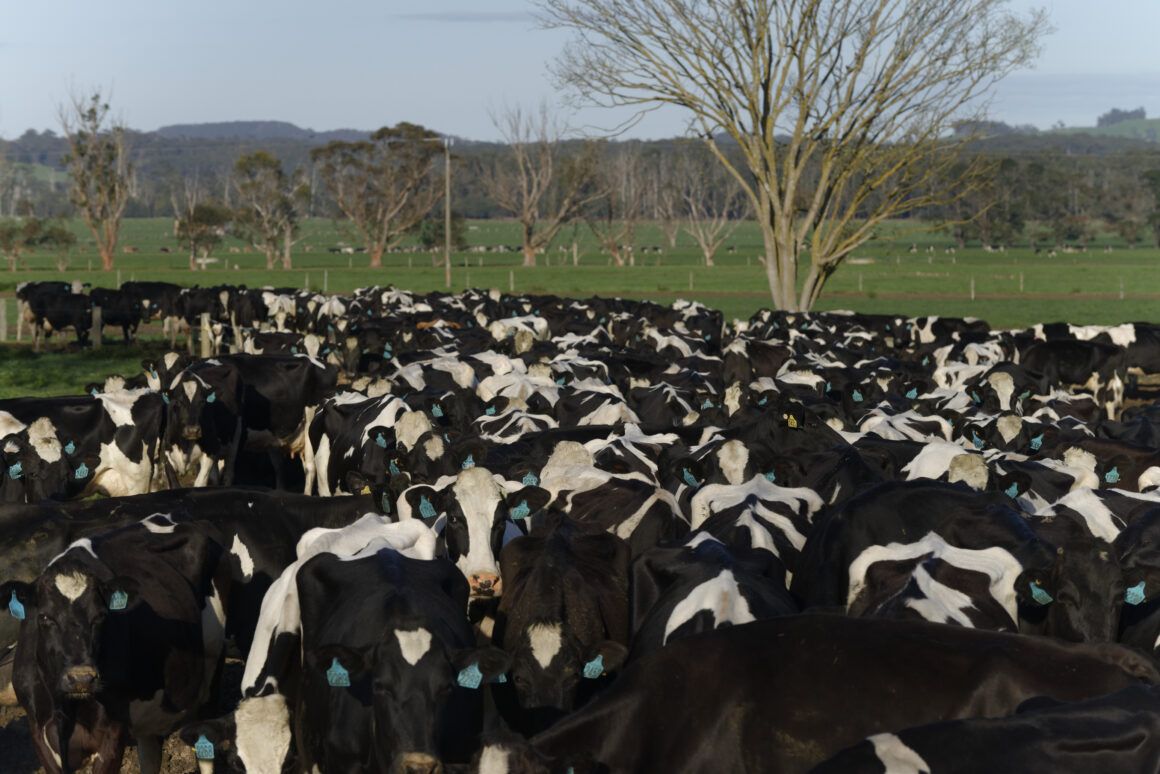
Dairy cows in a field
Uncategorized

EU rules alter Aussie antimicrobial use

By Justin Toohey, Animal Health, Welfare and Biosecurity Advisor, Australian Dairy Farmers

What is changing?

  • Antimicrobials can no longer be used to boost growth, yield or production in animals producing milk or milk products destined for EU supply chains.
  • This rule applies to all imported products entering the EU supply chain.

What stays the same?

  • Antimicrobials for disease prevention or control remain permitted.
  • Products such as monensin and lasalocid can still be used for disease prevention or control.

Changes to the way the European Union regulates the use of antimicrobials in food-producing animals will affect all Australian dairy farmers, not just those directly supplying the EU market.

From now on, antimicrobials can be used for disease prevention or control, but cannot be used to boost growth, yield or production across the dairy industry.

The changes include antibiotics and ionophores.

This extends to all dairy farmers, given Australia cannot practically separate milk or milk products destined for the EU from other markets.

The entire Australian dairy industry must comply in order for Australia to maintain access to EU markets from September 2026 onwards. In 2025, Australian dairy exports to the EU were valued at $29 million.

Examples of allowed uses of antimicrobials include preventing bloat, controlling coccidiosis and treating ketosis or mastitis.

If you’re using antimicrobials to treat or prevent disease, you can continue to do so.

What do farmers need to do?

To stay compliant and protect market access, farmers should act now.

  1. Review all veterinary drugs and feed additives used on farm to make sure they are being used only for disease treatment or prevention.
  2. Keep clear and accurate records of all veterinary drugs and feed additives used on farm. You should record what product was used and why it was used (disease or condition being treated or prevented). This is essential to demonstrate compliance with EU requirements. Periodic reviews of Australian farms and processing plants will be conducted by EU regulators to check compliance.
  3. Consult with a veterinarian or a nutritionist for further information if needed.

Regulators are also playing a role in preparing for this change.

The Department of Agriculture, Fisheries and Forestry is working with dairy processors to ensure readiness.

The Australian Pesticides and Veterinary Medicines Authority (APVMA) is reviewing antimicrobial labels to ensure they align with trade requirements.

Some antimicrobial compounds (such as flavophospholipol, lasalocid, monensin, narasin and salinomycin) are commonly described as feed additives or nutritional supplements; use of these compounds for such purposes will be inconsistent with EU requirements for product access.

Product labels allowing use for disease management are expected to remain unchanged, but claims relating to growth promotion or increased yield will be removed.

Uncategorized

Why getting skilled migration right matters for dairy

By Michele Lawrence, Tasmanian dairy farmer, TasFarmers Dairy Council member and Chair ADF People and Communities Policy Advisory Group

Labour is one of dairy farming’s most critical inputs, so Australian Dairy Farmers (ADF) welcomed the opportunity to give evidence to the Federal Parliament’s inquiry into the value of skilled migration in May.

Dairy farms operate every day of the year. Cows must be milked, herds managed, and farm systems run continuously.

Keeping these operations running is no small feat, so skilled migration has become an important complement to the domestic workforce.

Many dairy regions are experiencing very tight labour markets, ageing populations and ongoing skill shortages, so skilled migration provides much-needed support to the workforce.

That reality underpinned ADF’s submission to the inquiry.

It was also the focus of the evidence I presented alongside Nathan Pope, ADF Policy Manager, to the parliamentary committee.

We reiterated the $18.5 billion economic contribution Australian dairy makes to the national economy, along with its role as a major exporter supplying more than 100 markets. The survival of dairy as a major economic driver relies on a sustainable workforce.

The challenge facing the dairy industry is not simply filling vacancies but finding the right people with the right skills at the right time.

The labour shortages in dairy are structural. Regional labour markets are already tight, with unemployment in key dairying regions well below national averages, and there is a persistent shortfall in domestic workers with relevant skills.

This means farmers are already competing over a limited workforce.

As I told the inquiry, without access to suitable workers, dairy cannot grow. We do not simply need more workers; we need stable long-term workforce capability in regional Australia to help combat the training fatigue felt by farmers.

A sustainable workforce is therefore not just about the survival of Australian dairy businesses, but also about Australia’s food security.

Migration, in this context, is not a substitute for local labour but a necessary complement.

ADF’s submission to the inquiry (which can be found on its website) points to growing reliance on overseas workers, with 42 per cent of farms using migrant labour in 2024 compared to 18 per cent in 2020.

Farms draw on a mix of pathways, from working holiday makers to employer-sponsored visas, because they must use every available migration mechanism to maintain operations.

However, it is clear the current system is not delivering effectively. As we repeated throughout the hearing, dairy needs the right people at the right time with the right skills, but existing visa settings are too slow, complex and poorly aligned with real workforce needs.

A core concern for ADF is that the migration framework has not kept pace with modern dairy skills requirements.

While the occupation of Dairy Cattle Farmer has historically been recognised, other critical roles (such as Senior Dairy Cattle Farm Worker) have not been consistently included in standard visa pathways, despite requiring substantial technical skill.

As a result, dairy businesses are often forced to rely on bespoke and regionally limited arrangements such as labour agreements and Designated Area Migration Agreements, which are administratively complex and geographically constrained.

ADF and TasFarmers have called for a more streamlined and responsive system that better reflects industry realities.

Central to this is recognising a broader range of dairy roles as skilled occupations and incorporating them into mainstream visa programs. This would reduce reliance on fragmented pathways and allow farms to access workers more efficiently.

As I stated during the hearing, we completely undervalue the skill it takes to cup cows and the importance to milk quality and animal welfare.

Dairy businesses are not simply seeking short-term labour; they need experienced employees who can develop skills over time and, in many cases, progress into management roles.

As evidence to the inquiry highlighted, many migrant workers have successfully followed these pathways, contributing to the long-term viability of the industry and regional communities.

We are therefore advocating for clearer and more accessible pathways to permanent residency, which would provide certainty for both employers and workers.

Models in comparable countries, such as New Zealand and Canada, demonstrate how work-to-residence pathways can help attract and retain skilled agricultural workers.

Finally, we raised concerns about the broader policy settings surrounding migration and training.

The message from ADF to the inquiry is clear: skilled migration is essential to sustaining dairy production, supporting regional communities and maintaining Australia’s food security. But to deliver these outcomes, the system must be better aligned with industry needs, more efficient in its administration, and more transparent in its outcomes.

Uncategorized

Fair milk pricing is about Australia’s future food security

By Ben Bennett, President, Australian Dairy Farmers

Fresh Australian milk is part of everyday life right across the country.

Australia’s seven dairy farming organisations have united to call for better, fairer pricing.

Milk is poured on breakfast cereal, frothed into coffee and relied on as a nutritious, affordable staple.

But while milk may look cheap and abundant on supermarket shelves, the system that produces it is under increasing strain.

For many years, Australia has seen very low retail milk prices. Remember when supermarkets cut the retail price of milk by 30% overnight, launching their $1/litre milk war?

In fact, Australians enjoy some of the cheapest fresh milk in the developed world.

Previous analysis by The Weekly Times showed consumers in New Zealand were paying $A2.64 for a litre of home brand milk, while prices averaged $A2.20/litre in Canada, $2.44/litre in France and $A2.05/litre in South Africa and $A2.05/litre the US.

Australian consumers might see this as a positive during a cost-of-living crisis, but it masks a growing disconnect between what consumers pay and the price at which farmers can viably produce the milk.

Ever since the launch of dollar-a-litre milk, dairy farmer numbers and production in Australia have been declining.

Dairy farmers are facing sustained and significant cost pressures.

Fuel, fertiliser, feed, energy and freight costs have all increased sharply, often with little warning.

Seasonal variability is adding further uncertainty, and global instability continues to ripple through supply chains.

Unlike many businesses, dairy farmers cannot pass these costs on. They are price‑takers, not price‑setters.

Recent price increases from some processors and retailers are welcome, however they do not flow back to all dairy farmers, and they are only temporary.

That means that despite the increases, most farmers are still not receiving the long‑term pricing certainty they need to invest, plan and continue producing milk.

This is why dairy farmers across Australia are calling for a clear, transparent reset in retail milk pricing.

Prices must genuinely reflect the cost of production and deliver value back through the supply chain – not only to farmers, but to our processors as well.

A modest increase of a minimum of  30 cents per litre, with guaranteed pass-through to farmers, would make a real difference.

Importantly, this increase would keep fresh milk under $2 a litre at the supermarket checkout.

This is not about windfall profits. It is about ensuring the people producing this essential food can afford to keep doing so into the future.

Milk is not just another grocery item. It is a perishable product produced every day, transported every day, and reliant on a tightly balanced system that cannot simply pause and restart on a whim.

When farmers are forced to scale back or exit the industry because prices do not cover costs, the consequences are long‑lasting.

Without correction, Australia risks reduced domestic production and increased reliance on imported dairy products. Once local production capacity is lost, it is extremely difficult, and costly, to rebuild.

As we’ve seen recently in so many aspects of our lives, greater reliance on imports also exposes Australian families to global price shocks, supply disruptions and comes with less certainty about food standards and availability.

This is ultimately a food‑security issue. A viable dairy industry underpins national nutrition, regional jobs and resilience during geopolitical or supply‑chain shocks.

Fair milk pricing today is what keeps Australian dairy on Australian tables tomorrow.

Farmers understand that no part of the supply chain can absorb rising costs alone.

Sustainable milk production requires shared responsibility across retailers, processors and farmers alike.

Any retail price increase must flow transparently through contracts and be reflected consistently across the dairy category, not absorbed before it reaches the farmgate.

That transparency is critical to rebuilding farmer confidence. It also underscores the importance of stronger clarity and compliance under the Dairy Code of Conduct, so pricing signals are meaningful and enforceable rather than discretionary.

The dairy industry does not want to be having this conversation. Farmers would much rather be focused on producing high‑quality food and caring for their land and animals.

This is not about asking consumers to shoulder an unreasonable burden.

It’s asking for a modest, fair increase in milk pricing that spreads the cost across the system, protects households from future shortages and preserves an industry that is essential to Australia’s food security.

Photo by Eduardo Soares on Unsplash

Uncategorized

ADIC seeking Independent Chair for Dairy Animal Care Assurance Program

The Australian Dairy Industry Council (ADIC) seeks an independent Chair for the development phase of its new industry‑led, science‑based Animal Care Assurance Program (ACAP).

The program is being designed to meet regulatory expectations, reflect current science and on‑farm practice, support ongoing improvement, and build trust across the value chain, from dairy farmers to consumers.

Expressions of interest are now being accepted for this important position.

The Chair will provide impartial, strategic leadership, guide constructive and outcome‑focused discussions, and support the Steering Committee to deliver clear, evidence‑based recommendations to ADIC. For more information, please read the position description below, or download it here.


Position Description: Independent Chair – Dairy Animal Care Assurance Program (ACAP) Steering Committee 

Context 

The Australian Dairy Industry Council (ADIC) is developing an industry-led, science-based Animal Care Assurance Program (ACAP) for the Australian dairy sector. ACAP is designed to meet regulatory expectations, reflect current science, commercial practice, support ongoing improvement, and build trust across the value chain—from farmer to consumer. Development commenced in September 2025, with key stages progressing through 2026, and is supported by dairy farmers, animal welfare experts, veterinarians, processors, and key supply chain partners.  

Role Purpose 

ADIC seeks an independent Chair to lead the ACAP Steering Committee through the program’s development phase. The Chair will provide impartial, strategic leadership to guide and facilitate the Steering Committee’s deliberations in achieving the Steering Committee and ADIC goals and objectives. The Chair will foster constructive discussion and debate with the purpose of bringing diverse stakeholder views and perspectives together to deliver clear, consensus-based recommendations for ADIC’s decision-making. 

Key Responsibilities 

  • Facilitate the ACAP Steering Committee in setting its strategic objectives and plans to enable ACAP to achieve its ultimate goals   
  • Set agendas and priorities for Steering Committee meetings 
  • Facilitate focused, outcome-driven discussions and guide the Committee toward consensus-based recommendations 
  • Identify matters requiring escalation to ADIC and clearly articulate options, risks, and implications 
  • Ensure advice provided to ADIC is robust and balanced 
  • Support adherence to agreed governance processes, timelines, and stage-gate requirements 
  • Contribute to stakeholder engagement and relationship management 
  • Act as a spokesperson for ACAP during the development phase, as agreed with ADIC     

Outcomes by End of Appointment 

At the conclusion of the engagement, the independent Chair will have: 

  • Led the Steering Committee through the development of ACAP Version 1, resolving key strategic and technical issues and delivering a clear set of recommendations ready for ADIC endorsement 
  • Established effective committee ways of working that enable constructive challenge, timely progress, and stakeholder confidence 
  • Supported alignment across farmers, processors, veterinarians, and animal welfare experts 
  • Contributed to positioning ACAP as a credible, science-based, and trusted assurance framework 

Authority 

The independent Chair does not hold formal decision-making authority for ACAP but is empowered to shape the Committee’s workplan, guide its deliberations, and ensure high-quality advice is presented to ADIC for decision. 

Current governance arrangements 

The development of ACAP is overseen by a Steering Committee and supported by a Technical Advisory Group (TAG).  

  • The Steering Committee provides strategic direction, governance, and oversight for the national Animal Care Assurance Program, leading the co-development of program standards and the assessment framework, with final approval held by ADIC; it comprises representatives from ADF, ADPF, Australian Cattle Veterinarians, independent farmers, and processors. 
  • The TAG provides independent, science-informed and practical technical advice for Steering Committee consideration and is made up of animal welfare and health scientists, a practicing veterinarian, a milk processor representative, and dairy producers. 

Secretariat support to both committees is provided by Dairy Australia, who have commissioned ACER Consulting to provide expert technical advisory services. The independent Chair will work closely with the TAG Chair and Secretariat to ensure appropriate flow of information, clear delineation of roles, and alignment between technical advice and Steering Committee deliberations. 

Australian Dairy Industry Council, and their two constituent bodies Australian Dairy Farmers and Australian Dairy Products Federation, are the owners of any future ACAP and final decision makers.  

Independent Chair Role 

ADIC are seeking an independent chair to lead the Steering Committee. The Chair will be responsible for guiding the Steering Committee toward clear recommendations, ensuring readiness for stage gate decisions, and supporting ADIC with balanced, evidence based advice. In addition to chairing meetings, this role will include stakeholder engagement and may involve being a key spokesperson for an ACAP during this early development phase, where representation is required and authorised by ADIC.  

Estimated days: 10 across the remainer of 2026 with possible extension into 2027.  

This is a remunerated role in accordance with Dairy Australia committee sitting-fee policy. Respondents are asked to submit their reasonable expectation for a daily rate noting it is not assured this will be the rate offered. 

Meetings will be held at least monthly but ad hoc meetings may be required, meetings will be a combination of face-to-face and remote. 

The Chair must be independent of Dairy Australia and dairy industry representative organisations (i.e., not a current employee, Executive member or Director). 

Competencies sought for the Chair include: 

  • Strong leadership, facilitation and stakeholder communication and engagement skills. 
  • Proven experience chairing committees or boards. 
  • Experience leading or overseeing assurance, certification, or standards based programs in regulated or high trust environments would be well regarded. 
  • Experience navigating community trust, social licence, or NGO scrutiny. 
  • Broad understanding of the agricultural supply chain. 
  • Strategic, innovative and solutions-focused thinking. 
  • Availability and commitment to the role. 

Selection criteria 

Along with the competencies listed above, applicants should demonstrate: 

  • Relevant sector expertise (dairy or agricultural supply chain). 
  • Strategic leadership and governance capabilities. 
  • Strong communication, collaboration and decision-making skills. 
  • Commitment to the objectives of ACAP. 

An ADIC selection committee will be established to assess candidates against prescribed criteria and will make a recommendation to ADIC for ratification.  

Conflicts of interest 

Respondents are asked to disclose any actual, potential or perceived conflicts of interest as part of their application.  

How to apply 

Interested parties are invited to submit: 

  • A brief cover letter (no more than two pages) outlining their interest and addressing the selection criteria. 
  • A curriculum vitae (CV). 
  • Expectation for a daily rate noting it is not assured this will be the rate offered. 
  • Any actual, potential or perceived conflicts of interest. 
  • Contact details for at least two referees. 

Successful applicants will be required to enter into a contract for their roles with Dairy Australia. 

Timeline 

Closing date for applications: 8 May 2026 

Role commences: 10 June 2026  

Further information 

For further information or to apply, please contact Andy Hancock – Dairy Australia – andrew.hancock@dairyaustralia.com.au 

Uncategorized

Unfair trade deal doesn’t stack up for dairy

By Ben Bennett – President, Australian Dairy Farmers

When I’m not travelling on ADF business, I spend my days on a dairy farm and like most farmers I assess things against a simple measure – does it make our industry stronger, more competitive, and more secure into the future?

As I sit down to write this piece, the full details of the agreement have not yet been made public, but I cannot see how it will benefit our industry in any of those ways.

Dairy farmers backed the idea of a deal with Europe. We understood the opportunity.

It’s one of the most protected markets in the world, and if we could get fair access, there was real upside for Australian dairy.

But that was always the condition. It had to be fair, and it had to be reciprocal.

What’s been delivered doesn’t meet that test.

Australia walked away from a deal in Osaka in 2023 because it didn’t stack up.

What’s on the table now doesn’t materially improve on that position. After eight years of negotiations, farmers were expecting something better; not the same deal dressed up differently.

On paper, there’s tariff reductions into Europe, and that sounds positive. But when you dig into it, the reality is those opportunities are still heavily constrained.

The quotas are small, and outside those quotas the tariffs remain so high they effectively shut the door.

So, for most Australian dairy farmers, access to Europe doesn’t change in any meaningful way.

At the same time, Australia is opening its doors, removing tariffs on key products like cheese over just three years.

That’s not a level playing field.

European farmers are supported by tens of billions of euros in subsidies every year.

On average, those subsidies make up a significant portion of farm income. That support shapes how much they produce, what they export, and at what price.

Australian farmers don’t have that.

So what we’re doing here is exposing one of the least subsidised industries in the world to one of the most supported, without getting equal opportunity in return.

That’s not free trade. That’s uneven competition.

Then there’s geographical indications, something farmers have been raising concerns about from the start.

Australia has agreed to protect nearly 400 European product names. Yes, we’ve held onto ‘parmesan’, and existing users of terms like feta and gruyere will be able to continue.

But the direction is clear,  future Australian producers will be restricted in how they describe their products.

That creates cost, complexity, and confusion.

For farmers, it’s another example of giving something up without getting enough back.

One of the biggest concerns for me is what this means for our domestic industry.

Cheese is a cornerstone of Australian dairy processing. It supports regional jobs, investment, and ultimately farmgate milk prices.

The tariff on cheese imports has been one of the last meaningful protections we’ve had. This deal removes it.

We’re already seeing strong growth in imports from Europe. They now send us significantly more dairy than we send back, both in value and volume. This agreement risks accelerating that trend.

And once that happens, once processing capacity shrinks and supply chains shift, it’s very hard to rebuild.

There are safeguard provisions in the deal, but they rely on proving serious harm after it’s already happened. For a perishable product like milk, that’s too late.

Farmers can’t turn production on and off overnight. You don’t recover lost capacity quickly.

That’s why dairy farmers are deeply disappointed.

This deal delivers cheaper luxury cars into Australia, but it doesn’t deliver meaningful new opportunities for the people producing one of the country’s most important staple foods.

Where to from here?

If this agreement is going ahead, we need to make sure Australian dairy isn’t left carrying the cost.

We need stronger support for domestic demand, backing Australian product on Australian shelves.

We need better monitoring of imports and pricing behaviour. And we need to make sure trade policy and domestic policy are working together, not against each other.

Because at the end of the day, this isn’t just about trade deals.

It’s about making sure Australia can keep producing its own food, supporting regional communities, and backing the farmers who do it.

On that measure, this deal doesn’t go far enough.

Uncategorized

Time to get real on dairy terms

By Ben Bennett – President, Australian Dairy Farmers

Have you ever seen anyone attach milking cups to a coconut, or herd almonds into a dairy shed?

It might sound flippant, but the question cuts to the heart of a serious issue Australia continues to ignore – one the rest of the world has resolved and committed to.

Last month, the United Kingdom’s Supreme Court confirmed that products made from plants cannot be called “milk”, “butter” or “yoghurt” if they are not derived from animals.

The ruling reinforces long‑standing laws across the UK, the European Union (EU) and the United States (US) that reserve dairy terms for dairy products.

Yet in Australia, our government has chosen a different path. Instead of clear, enforceable rules, it has endorsed a voluntary labelling code for plant‑based products – one to be written by the plant‑based industry itself.

That decision leaves Australia increasingly out of step with global standards.

This is about honesty, not choice.

Australian Dairy Farmers (ADF) is not calling for plant‑based products to be removed from supermarket shelves. Consumers should have choice.

But choice only works when information is clear and honest.

Milk, cheese and yoghurt are whole foods. They come from a single, natural source and have earned consumer trust over generations.

They also have a well‑understood nutritional profile that matters, particularly for children, older Australians and vulnerable groups.

Plant‑based engineered  products are different. They are formulated to mimic the taste and appearance of dairy. While many are fortified with vitamins and minerals, they are not nutritionally equivalent.

Some are highly processed and engineered through additives to approximate what dairy provides naturally.

When these products use dairy terms, they trade on dairy’s reputation and trust while offering something fundamentally different.

Consumers may know that a product labelled “oat milk” comes from oats. But that is not the same as understanding it does not deliver the same nutrition as milk.

That distinction matters.

The Federal Government recently spent $1.5 million on a labelling review led by the Department of Agriculture, Fisheries and Forestry, with Food Standards Australia New Zealand commissioned to survey consumers.

The review concluded there was limited consumer confusion. Australian Dairy Farmers strongly disputes that finding.

The survey focused largely on whether consumers could identify whether a product was plant‑based.

It did not meaningfully test whether people understand the nutritional differences between dairy and imitation products, or whether they believe these products offer the same health benefits.

Industry was not given the opportunity to provide input into key questions posed to consumers.

Reporting was later drafted in ways that downplayed earlier findings indicating confusion around nutrition.

If you don’t ask honest questions, you won’t get honest answers.

Instead of addressing these shortcomings, the government endorsed the development of a voluntary code of practice led by the Alternative Proteins Council.

This approach is fundamentally flawed.

You cannot ask an industry that imitates genuine products to write the rules governing how dairy language should be used.

That is a clear conflict of interest.

A voluntary code is not regulation. It provides no certainty and no protection for consumers or farmers. Companies that choose not to sign up can continue as they always have.

Yet again, the fox is being asked to build the hen house.

What makes this situation even more baffling is that Australia helped shape the international Codex standards, which define milk as “the normal mammary secretion obtained from the milking of animals”.

We accept those standards in international trade negotiations. We rely on them when exporting Australian dairy into markets that fiercely protect dairy terms.

But at home, we refuse to apply the same logic.

Australia is a major dairy exporter. Failing to protect dairy terms domestically undermines our credibility and weakens the standing of Australian dairy in global markets where those words are legally protected.

Our trading partners understand the value of dairy terms. Why doesn’t our own government?

Across the EU, the UK and the US, plant‑based products can be sold freely – but they cannot be called milk or yoghurt. They may use descriptors like “alternative” or “style”, but the core dairy terms remain reserved for dairy.

This is not radical. It is common sense.

Words matter. When consumers pick up a product labelled “milk”, it should come from a cow – not a marketing department.

The rest of the world recognises that dairy words have meaning. Australia should too.

Uncategorized

ADF Director nominations open

The 2025 ADF Annual General Meeting (AGM) is scheduled for the week commencing the 24 November 2025 (date TBC).

As part of the meeting’s business, the election of Business Directors will take place. The nomination period is now open for candidates interested in standing for a Business Director position.  

In accordance with the ADF Constitution, the Board must comprise of at least four (4) Business Directors, with no more than two (2) Business Directors from any one state. Additionally, the Constitution stipulates that a Business Director may serve a maximum term of three (3) years before being required to stand for re-election (clauses 4.3.1 and 4.3.2).

The current term for ADF Director Mr Rick Gladigau expires on the date of the AGM. Mr Gladigau is eligible and will be standing for re-election.

To be eligible to stand for election as a Business Director of ADF, candidates must meet the following criteria:  

  • Be in the business of dairy farming;
  • Be a current and financial member of the recognised State based dairy farming organisation (as listed under clause 2.1.4 of the ADF Constitution);  
  • Be a business member of Australian Dairy Farmers Limited; and  
  • Meet the eligibility requirements under clause 4.2.2 of the ADF Constitution (Board composition – as outlined above)  

Applications must be received by 5.00pm on Friday, 5 September 2025. 

For further information or to apply, please contact the ADF Company Secretary, Sandra Ognibene via email sognibene@australiandairyfarmers.com.au

Uncategorized

Mastitis treatment under threat

By Ben Bennett, President, Australian Dairy Farmers

One of the active ingredients in popular mastitis treatment Mastalone is under threat, and Australian Dairy Farmers (ADF) is proactively defending farmers’ access.

Australia’s agvet chemical regulator, the Australian Pesticides and Veterinary Medicines Authority (APVMA), is reconsidering the registration of the antibiotic neomycin – one of the key components of Mastalone.

In real terms, this means the sale of Mastalone could be banned simply because of, as APVMA puts it, a lack of data to enable it to assess potential risks to trade from chemical residues.

ADF has made a submission to APVMA outlining the importance of this veterinary chemical product to dairy production in Australia.

As the national representative body for dairy farmers across the six dairying states, ADF’s mission is to improve the productivity and sustainability of dairy farmers in Australia. Critical to this mission is to maintain and improve Australia’s animal health and welfare systems.

The proposed decisions, if implemented, would change the conditions of registration and/or cancel the registration of Mastalone and other vital products.

In our submission on behalf of Australia’s dairy farmers, we reminded APVMA that mastitis is a painful disease, causing significant animal welfare and economic losses on every dairy farm, and that deregistration of this product would have a counter-intuitive impact on production and animal welfare.

Australian dairy farmers must be able to use Mastalone because it contains ingredients (Oxytetracycline, Oleandomycin and Neomycin) that are not available in other registered intramammary products and cover a broader spectrum of mastitis pathogens compared to other products.

Importantly, these medicines are of low importance to the development of human antimicrobial resistance.

Therefore Mastalone provides an important alternative product to other intramammary lactating cow products that contain beta-lactam active constituents. Dairy farmers need both tools in their toolkits to ensure their animals remain healthy and don’t develop resistance to either category of antibiotic.

ADF appreciates the APVMA’s responsibility to assess the efficacy, safety and risks to trade.

But we think it is deeply unfair that APVMA would propose to cancel the registration of Mastalone primarily due to a lack of data.

Mastalone has been used under veterinary prescription by dairy farmers in Australia for over 50 years. The industry has a very long, recorded history of successfully managing the risks of antimicrobial residues in both milk and meat products traded domestically and around the world.

Overall, the Australian dairy industry has a very low use of antibiotics compared to other countries.

We are proud of our industry’s efforts to use antibiotics sparingly and correctly, through which we minimise the risk of antibiotic resistance and protect our international reputation.

Through the Australian Dairy Sustainability Framework, the industry has committed to use antibiotics responsibly, as little as possible, as much as necessary, to protect the health and welfare of our animals.

Of its own volition, and through government systems, the industry has been monitoring for antimicrobial residues in its products for many years. If Mastalone posed a significant risk to consumers or trade it would have been identified through the industry’s established and robust chemical residue risk management procedures and brought to the attention of the ADF, Dairy Australia and food safety regulatory authorities.

We support the ongoing registration of this vital product.

Uncategorized

The digital revolution has arrived: Dairy must embrace technology to stay ahead of the competition

We are experiencing a revolution in digital technology and dairy needs to seize every opportunity we get.

A 2017 report by McKinsey and Company estimated that digital technology could contribute somewhere between $140 and $250 billion to Australia’s Gross Domestic Product (GDP) by 2025 based on currently available technology alone.

For dairy, the Precision to Decision Agriculture Project, which included Dairy Australia, estimated an additional $497 million or 15 per cent to its Gross Value of Production (GVP). Three years later, we now have a commitment to realise this opportunity.

But digital is not limited to just information technology (IT) infrastructure, nor is it focused narrowly on an online/mobile presence. It is an integrated set of opportunities leveraging technologies ranging from automation and advanced analytics through to agile methodologies and customer-centric product and experience design.

At or near the digital frontier is a cluster of high-tech, knowledge-intensive service industries: IT, financial, professional and administrative services. Closing the gap between dairy and these sectors requires government and industry to address a number of issues around poor telecommunications, privacy and security concerns, capital constraints in agricultural businesses, and capability and time limitations.

Broadband and Internet of Things (IoT) network infrastructure is essential to fully realise the potential of a ubiquitously connected landscape, enable access to large data loads, use of digital imagery and real time controls around autonomous vehicles.

Telecommunication providers and the Federal Government’s Mobile Blackspot Program, National Broadband Network and Regional Connectivity Program are expanding the quality and reach of internet connectivity in regional areas. These are being supplemented by a range of low-power wide-area networks (LPWANs) and other smaller scale networks to enable whole of landscape management and community wide data sharing at low cost.

Data privacy and security have long been complex issues. Vast amounts of personal and commercial data are being housed in a small number of internet service providers. These agencies are now the target of hackers who are increasingly demanding access to national security and commercial in confidence data and information.

While Australia has adequate privacy and security protection, industries need common, open source and secure interoperable data standards. This is a key output of Australian Dairy Farmers’ (ADF) Blockchain and Real Time Payment System project. By establishing a governance framework, farmers and processors have a greater level of assurance that their digital technology investments are secure.

Last year, Australian agriculture adopted a National Traceability Framework. This sets out a common vision, principles and responsibilities for regulated and commercial traceability systems across agriculture supply chains. The framework requires each industry to develop an action plan over the coming 12-18 months. For dairy this will require a significant degree of coordination.

Currently through SAFEMEAT, a partnership between the Australian red meat and livestock industry and state and federal governments, dairy is moving to a fully digitalised livestock traceability system. This will see national consistency in the National Livestock Identification System (NLIS), compliance and enforcement of livestock identification and movement recording and data collection and entry.

Farmers will need to adapt with forms such as National Vendor Declarations and other devices becoming electronic. A number of agencies are reasonably well advanced in this journey. For example, Dairy Food Safety Victoria is rolling out its Dairy RegTech program to Victorian dairy manufacturers in late 2020.

Demonstrating economic benefit on digital technologies is critical to accelerating adoption. Like most businesses’ farmers need to see a proven return on investment before making a capital outlay.

Agriculture Victoria is undertaking an IoT trial of 125 dairy farms in the Maffra region. This includes capturing key economic data to compare against other farms across the state who do not have the technology. Results will be publicly shared to help inform investment decisions. This is also an output of ADF’s Blockchain and Real Time Payment System project.

Economic and environmental benefit is now reasonably well established for virtual fencing. This is an animal-friendly fencing system that enables livestock to be confined or moved without using fixed fences.

The CSIRO are world leaders in this area, having delivered various R&D initiatives since 2003. They are currently collaborating with Melbourne based ag-tech start-up Agersens, universities and livestock RDCs to deliver the Virtual Herding project. This is showcasing better grazing management practices, environmental protection for example riparian areas and reduction in cost of building and maintaining fences for farmers.

So, the fourth industrial revolution is underway for the dairy industry. There is a clear shift happening from feasibility and concept to farm and supply chain adoption. The challenge for industry as it seeks a competitive advantage over international rivals is the speed and integration of uptake. Basically, the faster and more coordinated it is, the greater benefit.

Uncategorized

Stronger leadership on horizon

It won’t be an easy road to reforming dairy industry structures, but we are not shy about facing the challenge head on.

The message, delivered by more than 1500 dairy farmers and other industry stakeholders during the Australian Dairy Plan workshops last year, was crystal clear that our existing structures – which have served us well for many years – are no longer fit for purpose.

Structural reform has therefore rightly become a central component of the Dairy Plan. To address this priority, a Joint Transition Team of industry representatives was tasked with developing structural options for industry’s consideration.

They delivered a report in January which recommended creating a single, whole of industry national dairy organisation to support industry services including policy, advocacy, research and development and marketing.

But while this model provided a solid foundation from which to build a new structure, further industry consultation is needed until we can be satis ed that a proposed structure will receive support from a majority of the dairy sector.

The federal government, which collects levies from dairy farmers that help fund the current structure, will play a key role in determining whether any changes should be made. The government must be con dent there is support from industry for the proposed changes.

It is not enough to ask the government to support such significant reform to the dairy industry without demonstrating that a majority of the industry stands behind this change.

The industry, or those advocating for change, must demonstrate there has been high levels of awareness for the change, participation in a vote, and support for the proposed new structure.

The Dairy Plan partner organisations – Australian Dairy Farmers, Australian Dairy Products Federation and Dairy Australia – have now established a process intended to meet these rigorous criteria.

It is based on a phased approach that engages industry around organisational design challenges and develops a new design for industry consultation and a vote around the recommended model. This process, which began in 2019 with the work of the Joint Transition Team, has continued throughout 2020.

This year, we are establishing a pathway to reform, engaging industry and government on any reform challenges, designing options for reform operating models and conducting industry consultation on those options. A proposed model should be  finalised in 2021 for industry to vote.

An Organisational Reform Steering Committee has been formed, comprising two directors each from Australian Dairy Farmers, Australian Dairy Products Federation and Dairy Australia.

This committee will guide the pathway to reform and ensure appropriate consultation and vote prior to recommending a model. Ernst and Young and former MLA managing director David Palmer are leading the coordination, engagement and design efforts.

Three working groups have also been established to further support industry engagement.

One will be dedicated to exploring the potential involvement of dairy processors in a single industry body, including how a fully transparent financial contribution may work for mutual benefit.

Another will consider issues around governance, including how decisions should be made in a reform model that represents all sides of the dairy industry.

And the last will look at representation, such as how to strengthen advocacy without compromising delivery of research, development and extension via a single levy, while still ensuring there is a strong capacity to proactively participate in cross-commodity issues at both a state and federal level.

David Palmer is conducting listening meetings with all recognised leadership groups and capturing key principles and design input from the regions.

Assuming there is adequate support for a new structure, any plans for implementation will require close engagement with the federal government and all affected industry organisations. Legal, financial, and governance considerations must be fully explored.

This is a long, complicated process and should not be underestimated by anyone.

But our aim is to deliver lasting reform that will deliver stronger leadership, a uni ed industry voice, create a single point of contact for all industry services, deliver stronger industry funding, and ensure regional interests directly shape industry policy and advocacy.

Uncategorized

A dairy industry in recovery

I’m feeling confident about the future of the Australian dairy industry. Yes, there are a lot of issues affecting us, such as the lingering impact of drought, production costs, discount dairy products, the misleading labelling of non-dairy alternatives as “milk”, and shifts in the global market.

But if there is one thing the COVID-19 pandemic has showed us, with all the panic buying that occurred earlier this year, it is that dairy will always be a staple household item.

And it appears confidence is rising across the industry. The National Dairy Farmer Survey, conducted annually by Dairy Australia, has confirmed that farmer confidence in their own businesses and the future of the Australian dairy industry as a whole has risen over the past 12 months.

While overall confidence remains lower than in 2018 and 2017, 44 per cent of farmers reported feeling good about the future of the industry. This is a marked improvement from last year, when just 34 per cent felt positive about the industry’s future in the survey’s worst ever result, but still far below the historic high of 78 per cent recorded in the 2008 survey, before the Global Financial Crisis.

Even more encouragingly, more than two thirds of farmers surveyed (67 per cent) reported feeling positive about their businesses, a massive 22 per cent jump from last year. This is the highest level reported since Dairy Australia started measuring own business sentiment in 2017.

We can feel buoyed by the fact that there has been an improvement in farmer sentiment on every score since last year, when the ballooning cost of feed and water eroded farm profitability despite stronger than average opening milk prices.

Nearly two thirds of farmers surveyed in 2019 said they were concerned about the cost and availability of feed, while just 43 per cent expect to make an operating profit.

Encouragingly, 70 per cent of farmers surveyed this year expected to make a profit, while 48 per cent of farms anticipated an increase in production volumes for the year ending June 2020.

Significantly more farmers in all but one region reported that they were expecting higher profits in 2020 than have been achieved on average over the past five years. Unsurprisingly, regions with the largest share of profitable farmers also reported the highest levels of confidence in their own business.

All of this comes even as prolonged drought, bushfires and high feed and water costs continued to be major concerns prior to the survey. It seems that farmers are ready to invest in their businesses, buoyed by a favourable start to the season.

As has been reported, these statistics show a dairy industry in recovery, although it is unclear whether this confidence will continue to grow in a post-pandemic environment.

What has been confirmed by Dairy Australia’s June Situation & Outlook Report is that demand for dairy remained strong during the panic buying that accompanied the COVID-19 pandemic.

But while farmers are feeling more positive about their individual businesses, there has only been a modest boost in confidence since last year for the future of the industry. Last year, just 34 per cent of farmers surveyed felt optimistic about the industry’s future – the worst result in the survey’s history.

While there has been a 10 per cent jump in overall confidence this year to 44 per cent, there is still a long way to go before we can approach pre-GFC levels of confidence.

That is the challenge facing the Australian Dairy Plan. A confident industry is one of the Dairy Plan’s key objectives, with a goal to boost milk production up to 9.3 billion litres per year by 2024-25. This would generate more than $600 million annually in extra value at the farm gate and stimulate the growth of at least 1,000 direct new jobs, mostly in rural and regional areas.

There are a lot of factors involved in sustaining a confident industry. But if the trend in farmer confidence continues, I have no doubt that we will go a long way towards achieving our goal over the next five years.

1 2 3 19 20